
Students and researchers at the University of Tennessee Health Science Center are playing instrumental parts in the development of a vaccine and now, in vaccinating the campus community.
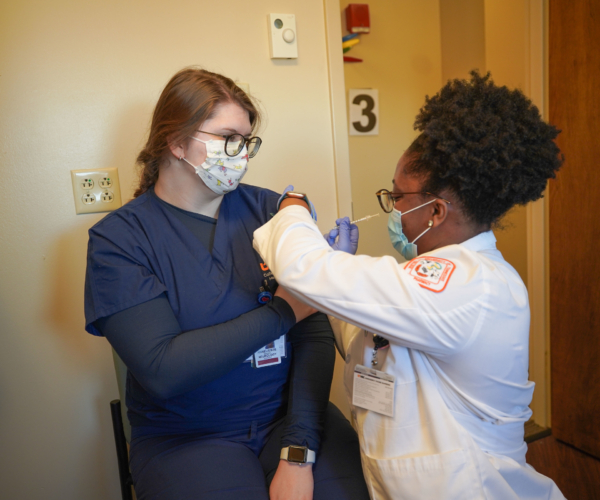
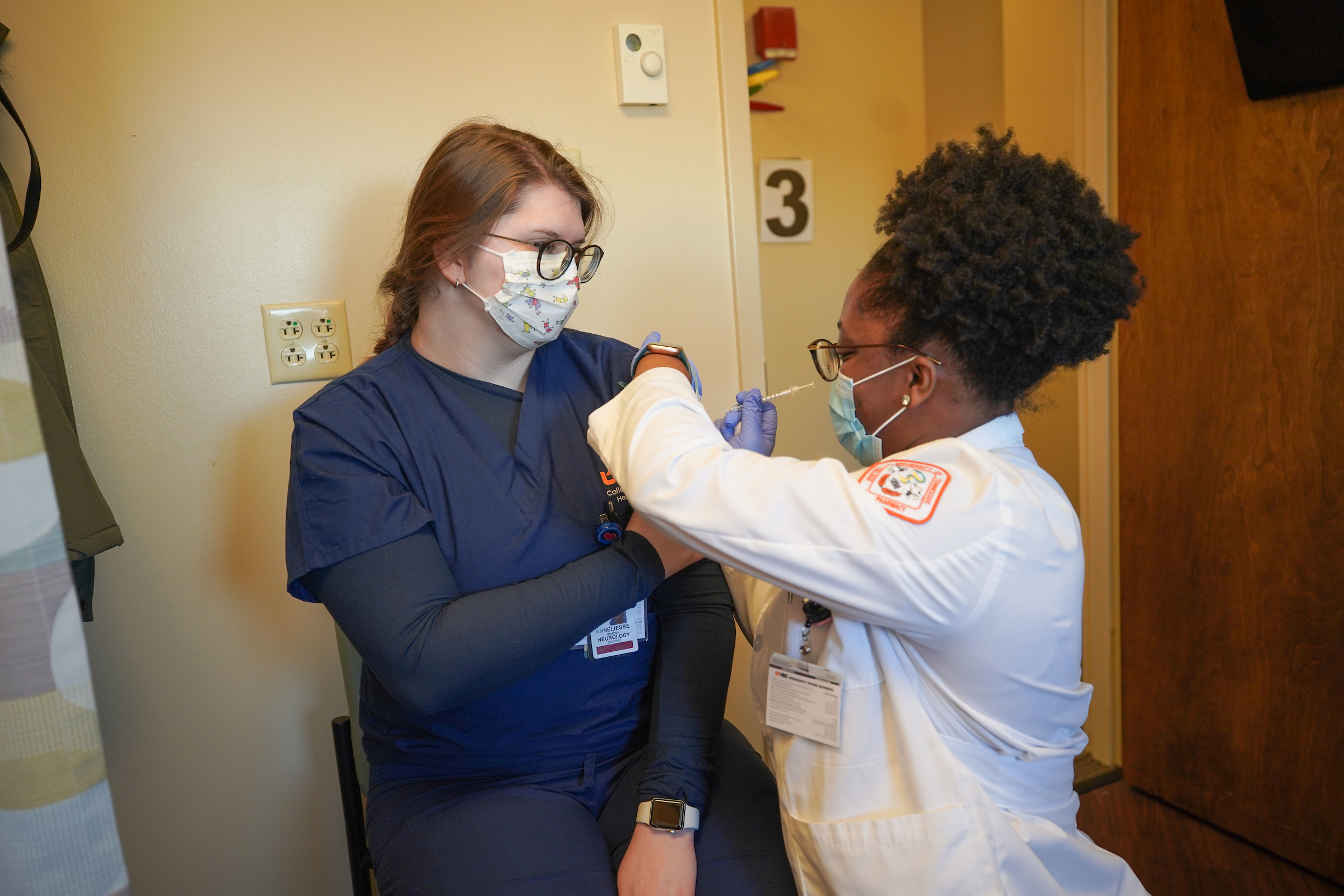
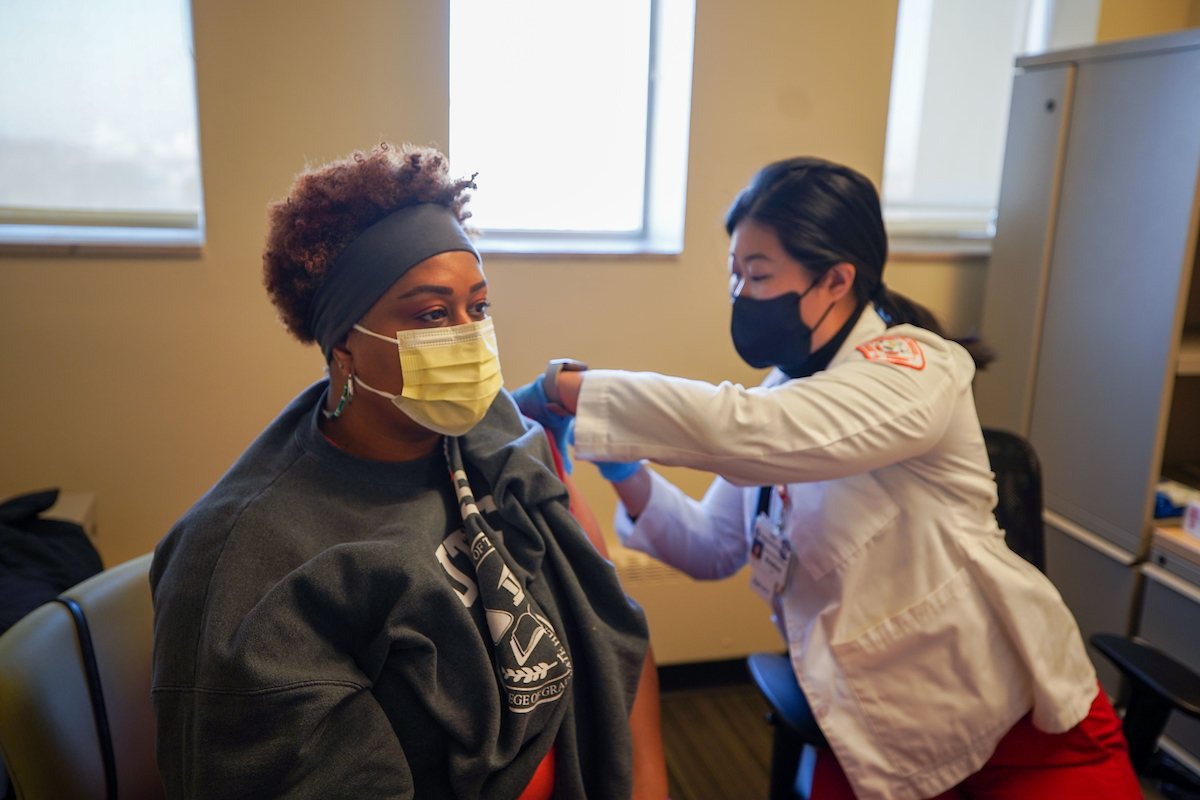
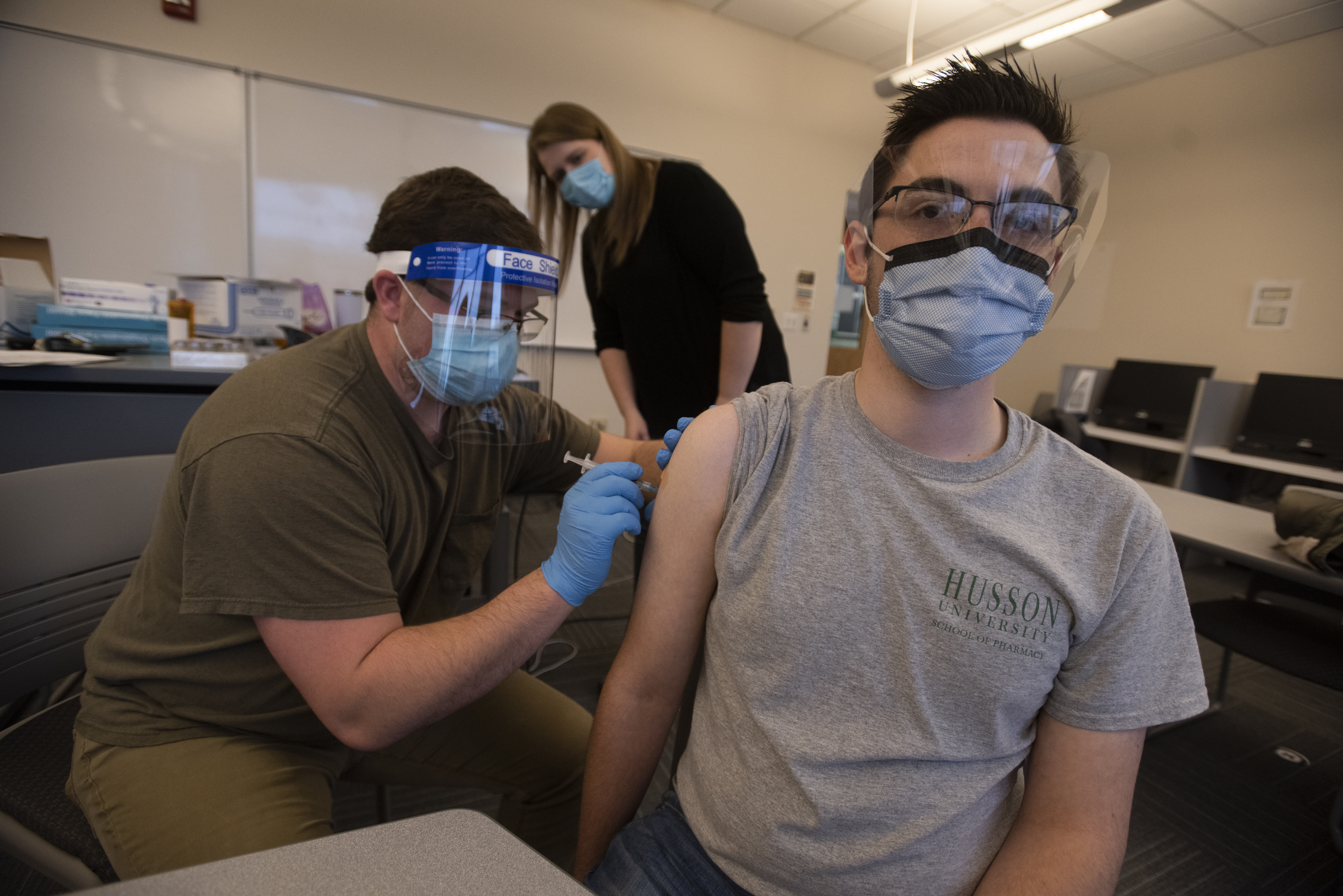
Pharmacy and nursing students, and medical and oral surgery residents have all been trained and are now vaccinating other residents and students on hospital rotations as well as campus first responders, and faculty who provide inpatient services.
The university’s vaccination teams have also begun vaccinating high priority groups in Memphis and Knoxville, and across the state.
On the development side, Pfizer-BioNTech used a process developed by Michael Whitt, an associate dean of the university’s Office of Medical Education and a professor in the Department of Microbiology, Immunology, and Biochemistry.
More from UB: How UC San Diego stifled a COVID spike
Pfizer-BioNTech needed a way to test the inhibitory effects of the antibodies generated after vaccination on virus infection.
The company adopted Whitt’s “surrogate system” to reduce the risk to workers testing the vaccine. Whitt’s process uses a virus that primarily infects horses, cows, and pigs, and does not cause serious disease in humans.
More than 300 companies and individual research labs are using Whitt’s system.

“The hope is that the current vaccines will provide protection against these variants, but at this time we just don’t know,” Whitt said. “However, we can rapidly screen these new variants using our system to see whether this is the case or not.”
More from UB: Keeping university and college micro-communities safe from COVID-19