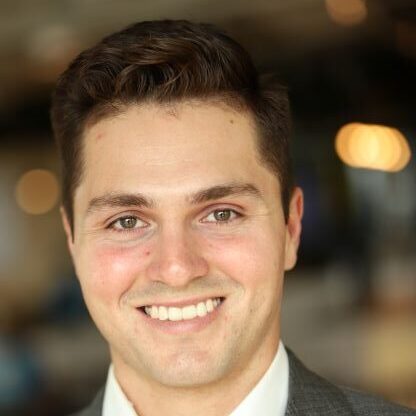

When Sarah Wisdom takes office as president of William Woods University in Missouri this summer, she will bring something few lifetime higher education leaders arrive with.
A four‑time alumna of William Woods, Wisdom returns to her alma mater after a nine‑year run as superintendent of the New Bloomfield School District, a Missouri K12 system she worked in for over two decades.
At a time when small, private institutions are under mounting pressure to prove relevance, retain talent and stabilize enrollment, Wisdom steps in with a veteran’s understanding of the region’s student pipeline.
“I’ve lived every part of the education system,” Wisdom says. “From students arriving at age three to watching them graduate and move on. That perspective matters right now.”
Her ties to William Woods run deeper than her degrees. While working at New Bloomfield, she sat on previous president search committees, advised Greek life and has served as an adjunct faculty member since 2017. Her family’s lifelong ties to the university’s nationally recognized equestrian program stretch back decades.
But her appointment is less a homecoming than a calculated leap. Moves from K12 superintendencies into higher education presidencies are rare, in part because the governance models differ so sharply. Wisdom sees the opposite.
Your next read: How leaders can beat old mistakes to unlock AI’s value
“In a small district, you’re the CFO. You’re HR. You’re communications,” she says. “You’re accountable for results across the entire organization. That background translates more than people think.”
That operational mindset will shape her early agenda. Wisdom says her first months will emphasize listening and long‑term planning, particularly around faculty and student retention.
“The No. 1 thing that impacts student learning is quality staff in front of them,” Wisdom says of the similarities between higher ed and K12. “Retention is definitely something that I’m looking at as well.
Just as critical is what happens before students arrive on campus. Wisdom believes higher education has underutilized partnerships with K12 systems, leaving gaps in alignment and preparation.
Deeper collaboration could expose high school students to academic disciplines, expectations and career pathways earlier.
“We all want productive citizens,” she says. “But we don’t always work together toward that goal.”
Wisdom’s K12 experience also informs her view of higher education’s increasing budgetary and political pressures. At New Bloomfield, Wisdom gained recognition for budgeting and facility improvements.
“K12 has lived under mandates and public pressure for years,” she says. “The challenges are different, but the accountability feels very similar.”
What will distinguish her presidency is scale, Wisdom believes. As a teacher, she influenced dozens of students; as a superintendent, entire communities. As a president, she now sees the opportunity to shape outcomes far beyond a single region.
“When you are a university president, you are impacting things nationally and globally,” she says. “The chance to make decisions that matter at a much broader level.”